
Autism Awareness Clothing for Kids: Soft Tees and Big Messages

My grandson Jaxon is nonverbal. He tells me what he needs with his hands, his eyes, and one very specific look that means please stop talking and let me think. The first time I watched him try on a new shirt, I learned something the hard way. The tag inside the collar bothered him far more than the shirt itself. He pulled at the neckline for ten solid minutes before I finally understood what was wrong.
That morning changed how I shop for kids' clothes, and it is the reason I care so much about autism awareness clothing for kids. A good shirt has to do two jobs at once. It has to feel kind against a sensitive body, and it has to say something worth saying out loud.
What Makes a Shirt Genuinely Autism Friendly?
Sensory comfort is not a marketing extra. For many autistic and neurodivergent children, it decides whether a shirt gets worn or gets buried at the bottom of the drawer. Shops that serve this community have responded by building clothing around touch, weight, and seams rather than around trends.
You can see it in the product descriptions. One kids' tee is described as soft-touch and sensory friendly with a tagless neck label, so a child can look and feel good while showing support for autism. Other shops describe youth sizes with soft fabrics and tagless options made for sensory-sensitive wear. That language exists because parents and grandparents kept asking for it.
Fabric and Feel
Softness is the starting point. Cotton and cotton blends that drape rather than scratch tend to work better than stiff or heavy fabrics. Some children also respond well to gentle compression, which is why sensory apparel lines now include compression shirts, sound-reducing hoodies, sensory hoodies, and fidget pants for kids and adults with autism, ADHD, and SPD. Those specialized pieces are not the same as a printed graphic tee, but they show how broad the sensory clothing category has become.
For everyday wear, a simple soft tee is often the easiest win. It does not ask anything of a child. It just sits there, quietly comfortable.
Tags, Seams, and Small Annoyances
A tag is a tiny thing that can ruin a whole morning. Tagless neck labels solve it by printing the size and care information directly on the fabric instead of sewing in a scratchy square. If a shirt does have a tag, look for one designed to tear away cleanly.
Seams matter too. Flat seams and smooth side stitching are less likely to rub against ribs and shoulders. Check the neckline as well, because a tight collar that will not stretch can feel like a constant reminder to a child who is already working hard to ignore background sensations.
A Quick Sensory Checklist Before You Buy
- Fabric: soft-touch, lightweight, and not stiff right out of the package.
- Label: tagless neck label, or a tag that tears away easily.
- Seams: flat and smooth, especially along the sides and under the arms.
- Neckline: stretchy enough to pull over a head without a fight.
- Fit: roomy enough to move in, since a snug shirt can feel restrictive.
- Care: a fabric that survives repeated washing without turning rough.
The Message on the Shirt Matters as Much as the Fabric
Clothing does something a pamphlet cannot. It walks into a grocery store, a classroom, and a birthday party. Designers in this space talk about it openly. Neurodiversity collections are described as creatively designed to empower, educate, and embrace the beauty of the spectrum, and each design is meant to showcase the strength and determination of individuals on the autism spectrum. Wear one, and the shirt starts the conversation for you.
That is the part I love most as a grandmother. Jaxon cannot explain himself to a curious stranger at the park, and he should not have to. A shirt with a clear, warm message can carry that weight for him while he just keeps playing.
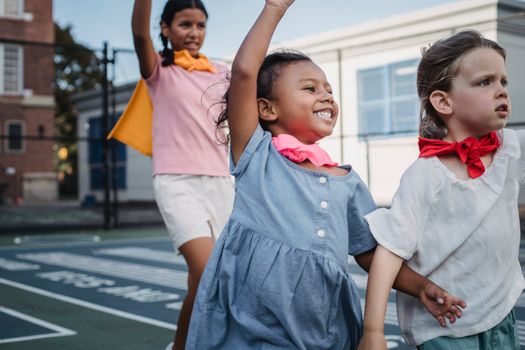
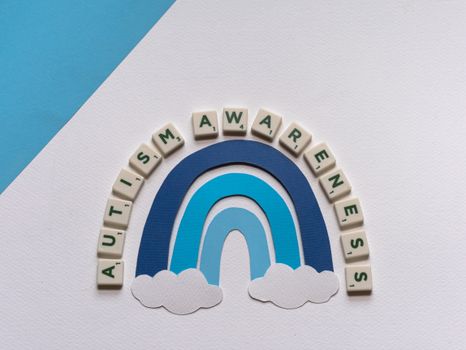
Symbols vary, and families often have strong feelings about which ones they prefer. Autism awareness collections commonly feature rainbow and puzzle piece designs alongside many other graphics, and shirts come in various colors, sizes, and styles. My advice is simple: let your child's preference lead. If a design makes a kid stand a little taller, that design is the right one.
Design Ideas and What Each One Communicates
Message-driven designs fall into a few comfortable categories. The table below maps common themes to the kind of moment they suit best.
| Design theme | What it communicates | Good for |
|---|---|---|
| Acceptance messages such as "Different Not Less" | Every mind has value exactly as it is | School days, playdates, everyday wear |
| Perspective designs such as "Same World Different Lens" | A different way of seeing is not a lesser way | Kids who like big ideas and bold statements |
| Strength themes such as super power tee styles | Confidence and pride in who they are | Kids who gravitate toward playful, heroic graphics |
| Faith-based designs such as Noah's Ark, "Believe," and "Faith Over Fear" | Comfort and belonging rooted in faith | Church, family gatherings, bedtime and beyond |
| Seasonal designs for Easter, St. Patrick's Day, Valentine's Day, and Mother's Day | Celebration that includes every child in the photo | Holidays, class parties, family pictures |
Toddler Sizes, Youth Sizes, and Getting the Fit Right
Most autism awareness clothing for kids is sold in toddler and youth sizing, with youth tees, long sleeves, and tank tops showing up in the same collections. That range matters because a child does not stop needing comfortable clothes when they outgrow the toddler rack.
Two practical habits help. First, read the size chart on the listing instead of guessing from the age. Print-on-demand shops often use their own measurements, and a chart is the only reliable guide. Second, think about how your child wears clothes rather than how a catalog model wears them. If your kid tucks their arms inside sleeves or pulls a hem down over their knees, a slightly larger size usually works better than a snug one. Growing room and comfort are the same thing here.
Faith and Seasonal Options for Families Who Celebrate
Some of the most requested designs mix autism acceptance with faith. Faith-based graphics like Noah's Ark, "Believe," and "Faith Over Fear" give families a way to talk about courage and belonging in language their children already hear at home and at church.
Seasonal collections do something similar for holidays. Easter, St. Patrick's Day, Valentine's Day, and Mother's Day designs let a neurodivergent child take part in the same traditions as cousins and classmates, wearing something that feels good and says something true. Matching family shirts exist in this space too, which turns a holiday photo into a small statement about inclusion.
Print on Demand, Less Waste, and Why It Matters
Many small children's clothing shops, including print-on-demand brands, print each item after an order is placed rather than stocking shelves in advance. The practical benefit is no overproduction and no unsold inventory heading for a landfill. It also means a small shop can offer dozens of designs and colors without gambling on which ones will sell.
There is a trade-off to understand. Because items are made to order, restocks and drops can take a little time, and some shops invite customers to join an email list to hear about new releases first. If you are shopping for a specific holiday, order early. If a listing offers a discount for a first purchase or a bundle, read the details on the shop's own site, since offers change.
Gift Ideas for Grandparents, Aunts, and Family Friends
A meaningful shirt is one of the easiest gifts to give well. You do not need to know a child's exact size if you check the listing chart first, and you do not need to explain your reasoning. The design does that.
- A message tee in a favorite color, sized with a little room to grow.
- Family matching shirts for a reunion, holiday, or awareness walk.
- A gift card from a shop that carries several designs, so the child picks their own.
- A seasonal tee timed to a holiday the family already celebrates.
- A faith-based design for a child who loves their church community.
Shipping thresholds are worth checking before you order. One kids' autism shirt shop lists free shipping on orders over $75 along with tiered savings for buying multiple items, which makes a two or three shirt gift easy to justify.
How to Get the Conversation Started
The best thing about a message shirt is that it gives you a gentle opening without putting a child on the spot. If someone asks about the design, you can answer in one friendly sentence. Something like, he sees the world a little differently, and we think that is wonderful. Then move on.
Keep the child in control. Some kids love the attention a bold shirt brings. Others would rather nobody mention it at all. Ask your child which design feels good to wear, and let that answer guide you. Pride is a lot easier to carry when it fits properly.
Frequently Asked Questions
What should I look for in autism friendly clothing for kids?
Start with fabric and labels. Look for soft-touch material and a tagless neck label, or a tag that tears away cleanly. Check for flat seams and a stretchy neckline. Fit should be roomy rather than snug, and the design should be one your child actually likes. Comfort and pride work best together.
Where can I buy autism awareness shirts for kids?
Options include small print-on-demand shops as well as larger retailers. Cover The Spectrum, Daily Bloom, Peace Love Autism, Littlest Warrior, and Awkward Styles all carry autism-related kids' apparel, and the Autism Speaks store sells apparel and gifts. Larger retailers such as Target also list autism awareness shirts. Compare fabrics, sizing charts, and shipping before you order.
Do these shirts come in toddler and youth sizes?
Many collections do. Autism awareness clothing for kids is commonly sold in toddler and youth sizes, and some shops carry youth tees, long sleeves, and tank tops in the same range of designs. Always read the individual size chart, because measurements vary between print-on-demand shops and standard retail brands.
What do families wear for autism awareness events?
Most families keep it simple with a message tee in a comfortable fabric, often paired with matching shirts for parents and siblings. Since event details vary by community, check the organizer's guidance for anything specific. Comfort matters most, especially for a child who may be in a busy, noisy setting for several hours.
Is print-on-demand clothing good for kids?
Print-on-demand means the item is made after you order it, which reduces overproduction and unsold stock. Many shops describe their kids' tees as soft and sensory friendly. Because quality varies by shop, read the product description, check the fabric content, and look at customer reviews before buying.