
Sensory-Friendly Features to Look for in Autism Shirts

A shirt that feels perfectly fine to you can feel unbearable to a child with sensory sensitivities. The tag at the back of the neck, the seam running across a shoulder, the way a collar rests against the throat: these small details decide whether a shirt gets worn all day or peeled off within minutes. For families raising autistic and neurodivergent kids, picking a t-shirt is less about style and more about comfort that survives a school day, a car ride, and a trip to the grocery store.
Sensory-friendly clothing is designed to support children with Sensory Processing Disorder (SPD), Autism Spectrum Disorder (ASD), and ADHD, and the design choices behind it follow a fairly predictable pattern once you know what to look for. Below is a practical walkthrough of the features that matter most, so you can evaluate any autism shirt before it ever reaches your child's drawer.
Start With Fabric, Because Fabric Is What Touches Skin
Before you look at the design on the front, look at what the shirt is made of. Sensory-friendly kids clothing lines tend to build around soft, breathable materials, and pure organic cotton shows up again and again in collections designed for children who notice texture. The reason is simple: a fabric that feels smooth and light against the skin gives a child less to react to.
Loose, relaxed fits matter just as much as the material itself. A shirt that pulls across the chest or binds under the arms creates constant feedback that a sensory-sensitive child cannot easily ignore. Look for descriptions that mention a relaxed cut, roomy shoulders, and a hem that does not ride up. If a listing only talks about the graphic and never mentions the fabric or the fit, that is a sign the brand is not thinking about sensory needs.
Tags Are the First Detail to Check
Tagless Necks and Tear-Away Tags
Tagless construction is one of the most common markers of sensory-friendly clothing for kids and adults with autism, ADHD, and SPD. A printed label, a tag placed somewhere other than the neck, or a tear-away tag that comes out cleanly with one pull all solve the same problem: that scratchy rectangle pressing against the spine.
If a shirt does have a tag, check where it sits. A tag sewn into a side seam is often tolerated better than one at the center of the neck, and a tag that can be removed without leaving a stiff remnant is better still. Some brands skip tags entirely on most of their styles, which removes the guesswork.
Seams, Waistbands, and Fasteners
Barely-There Seams
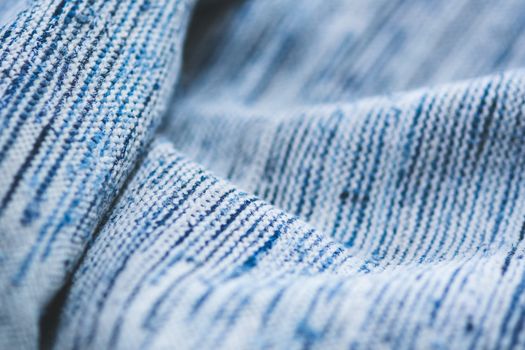
Seams create ridges, and ridges are what many kids notice first. Sensory-friendly brands describe their construction with phrases like barely-there seams, which means the seam is flat, soft, and finished so it does not rub. When you get a shirt in hand, turn it inside out and run your fingers along the shoulder and side seams. If you can feel a hard, thick line, your child probably will too.
Fully Covered Waistbands and Relaxed Fits
For tops and sets that include bottoms, a fully covered waistband is worth seeking out. Covered elastic keeps the band from digging in or twisting, and it pairs naturally with a loose, relaxed fit through the hips and legs. Many sensory-friendly lines are built with no irritating fasteners at all, meaning you will not find zippers, buttons, or snaps on most of their pieces.
Fastener-Free Construction
Pull-on styles remove metal and plastic from the equation entirely. This matters for a child who dislikes the weight of a zipper pull or the cold press of a snap. It also helps with independence, since a child can dress without wrestling with hardware. When you are comparing options, adaptive clothing as a category is designed to meet the needs of kids and adults with disabilities, mobility issues, and sensory issues, and sensory-friendly t-shirts sit inside that broader group.
A Quick Feature Checklist
Use this table as a fast reference when you are reading product descriptions or standing in a store aisle.
| Feature | What to look for | Why it helps |
|---|---|---|
| Neck label | Printed label, side-seam tag, or tear-away tag | Removes the scratch that sits against the spine |
| Seams | Flat, soft, barely-there finishing | Reduces the ridge that rubs under arms and across shoulders |
| Fabric | Soft, breathable material such as pure organic cotton | Gives sensitive skin less texture to react to |
| Fit | Loose, relaxed cut with room to move | Keeps fabric from pulling or binding |
| Waistband | Fully covered elastic band | Prevents digging and twisting at the waist |
| Fasteners | Pull-on styles with no zippers, buttons, or snaps | Eliminates hard, cold hardware against skin |
Compression and Pressure Options
Not every child wants the same thing from a shirt. Some kids seek deep pressure and settle when they wear it, which is why sensory clothing lines include compression shirts alongside their standard tees. Others cannot tolerate anything snug and need the opposite: a light, loose layer they can forget about. Both needs are real, and the right answer depends entirely on your child.
Some sensory collections go further, offering sound-reducing hoodies, sensory hoodies, and fidget pants alongside basic tops. Those items solve different problems than a t-shirt does. If your child's main complaint is texture against the skin, a simple soft tee with clean construction is usually the place to start. If they seek pressure or need help regulating noise, a specialty piece may be worth adding to the rotation.
What to Ask Before You Buy
A short list of questions saves a lot of returns and a lot of tears. Ask them of the brand, or answer them yourself if you have the shirt in hand.
- Is the neck tag printed, removable, or placed away from the spine?
- How are the shoulder and side seams finished?
- What is the fabric content, and how does it feel when stretched?
- Is the cut relaxed through the chest and shoulders, or does it run slim?
- Does the shirt have any zippers, buttons, or snaps?
- How large is the printed design, and where does it sit on the body?
Print Placement and the Design Itself
A large printed area can change how a shirt feels. Before ordering, ask how the design is applied and whether the printed section sits flat or has a raised, rubbery surface. If your child is sensitive to texture, a smaller print placed higher on the chest may work better than a full-front panel. This is also a question worth asking directly of any print-on-demand shop, since application methods vary.
The message on the shirt matters too. A design that celebrates your child's identity can turn a piece of clothing into something they choose on purpose rather than something they tolerate. Shirts with phrases like Different Not Less or Same World Different Lens give kids a way to name who they are, and they give the adults around them a reason to start a conversation.
Building a Small, Reliable Wardrobe
Once you find a shirt your child keeps on without complaint, treat that as data. Buying a few in the same cut and fabric removes a daily decision from a morning routine that is already full. Repetition is not boring to a child who needs consistency; it is comfort.
At PM Creations 25, the tees are made with soft fabric and tear-away tags in toddler and youth sizes, and each design is printed on demand rather than produced in bulk. That matters to families who want a shirt that reflects their child's identity without a stack of unsold inventory behind it. The designs grew out of a real story, inspired by a nonverbal grandson named Jaxon, and they are meant to be worn as conversation starters about inclusion rather than as slogans.
Frequently Asked Questions
What fabric works best for sensory-friendly kids shirts?
There is no single fabric that works for every child, and the research on sensory-friendly clothing does not point to one clear winner. Many kids' sensory collections rely on pure organic cotton or a soft, breathable jersey because it feels gentle against the skin. The most reliable test is your own child: try one shirt for a full day and watch what happens.
Do children with ADHD also struggle with clothing textures?
Sensory-friendly clothing is typically designed for children with Sensory Processing Disorder, Autism Spectrum Disorder, and ADHD, which suggests texture sensitivity shows up across these diagnoses. If your child with ADHD complains about tags, seams, or tight sleeves, that reaction deserves to be taken seriously. The same features that help autistic kids often help any child who notices how clothing feels.
Are sensory-friendly shirts the same as adaptive clothing?
Not exactly. Adaptive clothing is a broader category designed to meet the needs of kids and adults with disabilities, mobility issues, and sensory issues. A sensory-friendly t-shirt is one part of that larger picture. Some adaptive clothing focuses on making dressing easier, such as pull-on styles, while sensory-friendly clothing focuses on how the garment feels once it is on the body.
Where can families shop for sensory-friendly kids clothing?
Sensory-friendly kids clothing is sold by specialist brands and by larger retailers. Target carries a kids' adaptive clothing category filtered for sensory-friendly styles, and several smaller brands build their whole line around tag-free or seam-free construction. Primary, Plae, and Bombas are among the brands often recommended for kids who hate tags and seams.
Should I buy several shirts at once?
Buy one first. Every child's tolerance is different, and a shirt that works for a friend's child may still fail yours. Once you find a style your child keeps on without complaint, ordering a few in the same cut and fabric saves you from repeating the search. Consistency removes one decision from a morning routine that is already busy enough.