
Inclusive Clothing for Neurodivergent Kids: Parent Guide
For some children, getting dressed takes thirty seconds. For others, it takes thirty minutes and ends in tears over a tag, a seam, or a shirt that felt fine yesterday and feels unbearable today. That gap is not about stubbornness. It is about how clothing meets a nervous system that registers texture, pressure, and temperature differently than most people expect.
Inclusive clothing for neurodivergent kids exists because the standard kids' shirt was never designed with sensory processing in mind. Adaptive clothing is built for kids and adults with disabilities, mobility issues, and sensory issues. Sensory-friendly clothing is designed to support children with Sensory Processing Disorder (SPD), Autism Spectrum Disorder (ASD), and ADHD. Knowing the difference, and knowing what to look for, makes shopping far less of a guessing game.
What Inclusive Clothing Actually Means
Inclusive clothing is a broad term, and it covers two related ideas. The first is practical design: garments that remove or soften the features that cause discomfort, such as rough tags, bulky seams, tight waistbands, and stiff fabric. The second is representation: clothing that lets a child express who they are without hiding it.
Adaptive fashion has grown alongside the wider push for neurodiversity inclusion, with clothing lines now catering to the specific needs of people with neurodifferences or disabilities. Some of that growth is real design work, and some of it is a label applied to a standard product. Parents learn quickly to check the seams rather than the marketing copy.
The Sensory Side of Getting Dressed
Clothing is not a neutral object for a neurodivergent nervous system. A single t-shirt sends a steady stream of information to the brain all day: the drag of a collar, the scratch of a seam, the flick of a tag, the squeeze of an elastic waist, the weight of fabric on the shoulders. For a child who processes that information intensely, a shirt is not background noise. It is the loudest thing in the room.
The sensory factors parents run into most often include:
- Tags at the neck or side seam that rub with every movement
- Thick, raised, or scratchy seams inside shoulders, sleeves, and crotches
- Fabric texture, including pilling, stiffness, or a slick synthetic feel
- Pressure and fit, whether too loose, too tight, or inconsistently snug
- Temperature, since fabric weight and breathability affect comfort all day
- Hardware such as zippers, snaps, buttons, and metal adjusters
- Closures and fastenings that need fine motor control or patience
- Scent, including detergent residue and fabric finishes
Sensory-Friendly Clothing, Explained
Sensory-friendly clothing is thoughtfully designed to support children with SPD, ASD, and ADHD. The goal is not a uniform. It is a garment that stops competing for attention so a child can focus on learning, playing, and being present.
Tags, seams, and texture
The most common fix is the simplest one. Tagless and tag-free garments, or shirts with tear-away tags, remove an entire category of daily irritation. Flat seams and soft fabric reduce the friction that builds into distraction by mid-morning. For a child who notices everything, a smooth interior can be the difference between a calm day and a long one.
Fit, pressure, and compression
Some children seek deep pressure and feel calmer and more organized in clothing that hugs the body. Compression shirts are made for exactly that. Other children cannot tolerate any snugness at all and need loose, lightweight pieces with soft, wide waistbands. Both needs are legitimate, and they can change from one season or one week to the next, so it helps to keep a mix on hand rather than committing to a single style.
Fabric weight and temperature
Weight matters as much as texture. A heavy hoodie on a warm day can overwhelm a child who already runs hot, and a thin shirt in a cold room can trigger the same distress as an itchy seam. Layering with soft, breathable basics gives you room to adjust without a full outfit change. Sound-reducing hoodies and sensory hoodies are also available for children who find noisy environments difficult, since they combine comfort with a little auditory relief.

Adaptive Clothing and Sensory-Friendly Clothing Are Not the Same
The two categories overlap, and plenty of garments belong in both, but they solve different problems. Adaptive clothing addresses how a garment functions for a person with a disability. Sensory-friendly clothing addresses how a garment feels to a nervous system.
| Feature | Sensory-friendly clothing | Adaptive clothing |
|---|---|---|
| Primary focus | Comfort, texture, and reduced sensory load | Function, access, and independence in dressing |
| Common design choices | Tagless construction, soft fabric, smooth seams, comfortable waistbands | Easy closures, seated-friendly cuts, openings that simplify dressing |
| Who it serves | Children with SPD, ASD, ADHD, and related sensory needs | Children and adults with disabilities, mobility issues, and sensory needs |
| Examples of the category | Compression shirts, sensory hoodies, fidget pants | Kid-focused adaptive clothing collections, plus accessories like wheelchair covers and chewies |
A child may need one, the other, or both. A soft tagless tee with an easy pull-on fit sits comfortably in the overlap.
What to Check Before You Buy
Most sensory problems can be spotted before checkout if you know where to look. Run through this list the next time you are holding a garment or reading a product page.
- Are the tags tear-away or removed entirely?
- Do the interior seams sit flat against the skin, especially at the shoulders?
- Does the fabric feel soft and consistent, without stiff patches or rough edges?
- Is the waistband soft and wide rather than narrow and diggy?
- Are the closures simple enough for your child to manage alone, if independence matters to them?
- Will the fabric weight suit the season your child will actually wear it in?
- Can you buy the same style again if it becomes a favorite?
- Does the print or message sit on the outside where it will not be felt on the skin?
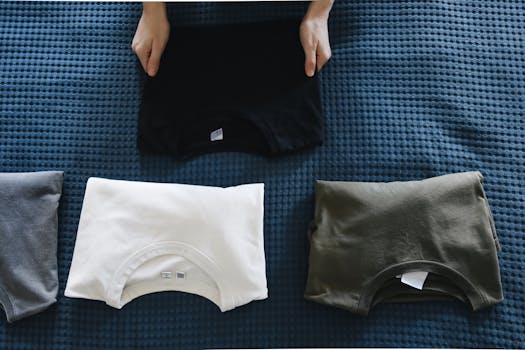
Building a Wardrobe That Works
A sensory-friendly wardrobe is less about volume and more about repeatability. The child who loves one shirt will often want to wear it constantly, and having two or three comfortable versions of the same basic piece reduces conflict far more than a large closet of maybes.
- Start with the pieces your child already reaches for, then note what they have in common. Fabric, fit, and construction usually explain the pattern.
- Test one new garment at a time, on a low-pressure day at home, before it becomes part of a school morning.
- Wash new items before the first wear to soften the fabric and rinse away finishing agents that can carry a smell.
- Keep a small bin of proven winners so a rough morning has a reliable answer ready.
- Retire items without guilt when a favorite stops working. Sensory preferences shift, and clothing that fit last year may not fit this one.
Morning Routines That Reduce the Battle
Design removes half the problem. Routine handles much of the rest.
Lay clothes out the night before and let your child choose between two acceptable options rather than the whole drawer. Give a clear, low-key description of what is happening next, since transitions are often harder than the clothing itself. Build in a few extra minutes so a change of shirt does not turn into a rushed panic. If a particular fabric is the only thing that works on a hard day, letting that stand is not a failure of parenting. It is triage, and it protects the rest of the morning.
Letting Kids Wear Their Identity
Comfort is only half of inclusive clothing. The other half is a child getting to say something about themselves without saying a word.
At PM Creations 25, that idea runs through every design. The brand sells soft children's t-shirts in toddler and youth sizes with messages that celebrate autism awareness and neurodiversity, including designs such as Same World Different Lens and Different Not Less, alongside faith-based pieces. The shop grew out of a family story centered on Jaxon, the owner's nonverbal grandson, and each design is meant to work as a conversation starter rather than a slogan. Pieces feature soft fabric and tear-away tags for sensory comfort, and everything is printed on demand, so nothing is produced just to sit on a shelf.
For a nonverbal or minimally speaking child, a shirt can carry a message into a room before anyone asks a question. For a sibling or a classmate, it can open a conversation that would otherwise never start.
Signs a Garment Is Not Working
Children do not always explain sensory discomfort, especially when they are young or when the discomfort is constant enough to feel normal. Watch for a shirt being tugged, chewed, or pulled down at the neck. Notice repeated undressing after school, meltdowns clustered around dressing time, or a sudden refusal of a garment that used to be fine. Those signals are information. They tell you which construction detail to avoid next time, and they are worth writing down before you shop again.
Frequently Asked Questions
What is sensory-friendly clothing?
Sensory-friendly clothing is clothing designed to support people with Sensory Processing Disorder, autism, ADHD, and related sensory needs. It typically uses soft fabric, tagless construction, flat seams, and comfortable waistbands to reduce the amount of texture, pressure, and irritation a garment sends to the nervous system, so the wearer can focus on daily life instead of discomfort.
Do children with ADHD have clothing sensitivities?
Yes, clothing sensitivity is common among children with ADHD as well as autistic children and those with SPD. Sensory-friendly clothing is explicitly designed to support children with SPD, ASD, and ADHD. If your child regularly complains about tags, seams, or fabric texture, that reaction is a sensory response worth taking seriously rather than a matter of preference or pickiness.
Are adaptive clothes only for children with physical disabilities?
No. Adaptive clothing is made for kids and adults with disabilities, mobility issues, and sensory issues, so it covers a wide range of needs. Some adaptive designs focus on easier closures and dressing independence, while others focus on comfort and reduced sensory load. A child with no mobility difference at all may still benefit from an adaptive cut.
Where can parents find sensory-friendly kids clothing?
Options have expanded well beyond specialty shops. Larger retailers now carry kids' adaptive clothing sections with sensory-friendly filters, and dedicated sensory brands offer items such as compression shirts, sensory hoodies, sound-reducing hoodies, and fidget pants. Small print-on-demand shops add another route, offering soft tees with tagless or tear-away tags. Check fabric details and return policies before buying in quantity.
How do I know if a shirt will bother my child before they wear it?
Check the inside first. Run your hand along the seams, look for a tag, and feel the fabric for stiffness or rough patches. Then test one garment at home on a calm day rather than on a school morning. Washing it first softens the material and removes finishing agents, which can make a noticeable difference for a sensitive child.