
How Family Stories Drive Autism Advocacy Through Clothing
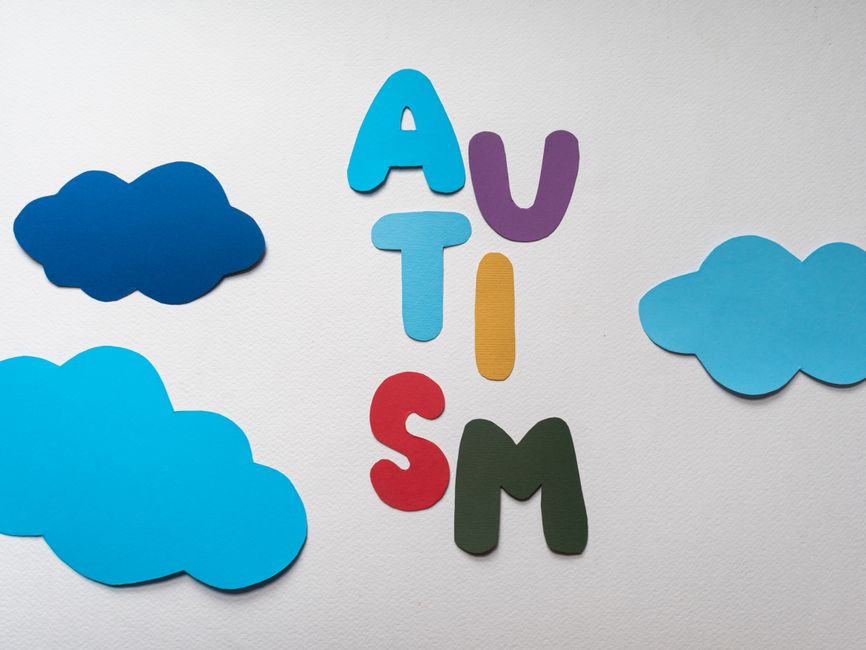
A t-shirt covers a back, survives a hundred washes, and gets handed down to a cousin. That is the whole job most people expect from children's clothing. Then a child walks into a grocery store wearing four words across the chest, a stranger pauses, reads, and asks a question. That pause is where autism advocacy clothing does its quiet work.
Behind most of those shirts is a family story. A grandparent who watched a nonverbal grandson find his own way to communicate. A parent who got tired of repeating the same explanation at every birthday party. A sibling who wanted to match the shirt their brother wears. The design is usually the last step, not the first. The story came years earlier.
Why a Shirt Starts Conversations Other Tools Cannot
Advocacy usually needs a moment that nobody schedules. A shirt creates that moment without anyone having to organize it. Several autism apparel brands lean on this idea directly. SAA Clothing describes its autism awareness line as sensory-friendly and inclusive, with designs built to start conversations and build understanding. Peace Love Autism frames its clothing, events, and social engagement as one connected community effort rather than a single product line.
Clothing also works because it is passive. Nobody has to hand out a pamphlet or deliver a speech. The wearer goes to school, the park, and the dentist like any other kid. The message travels along for the ride, and adults who might never read an article about neurodiversity will still read a shirt in a checkout line.
Where a Family Story Becomes a Design
The most personal advocacy clothing tends to come from small shops with a name attached to it. PM Creations 25 is one example. The brand was inspired by the owner's nonverbal grandson, Jaxon, and each design is positioned as a conversation starter and a story of inclusion. When a shop is built around a real child, the design decisions stop being abstract. Sizing, fabric, and wording all get filtered through one question: would this work for my grandson?
From a Family Phrase to a Printed Sentence
Some designs begin as something a family already says at home. Phrases like "Same World Different Lens" and "Different Not Less" are the kind of lines that show up on a kitchen whiteboard long before they show up on a screen printer. That order matters. The shirt is not inventing a message, it is publishing one that a household already lives by.
Faith-based designs follow the same path for many families. Noah's Ark, "Believe," and "Faith Over Fear" connect a child's identity with the values a family already holds, which makes the shirt feel like an extension of the household rather than a marketing slogan.
Other Family-Run Shops Tell Similar Stories
Cover The Spectrum describes itself as a family owned and operated clothing company with autism support and awareness at the heart of everything it does. Peace Love Autism builds community around apparel, events, and social engagement. The broader market also includes clothing shops owned by autistic people or dedicated to employing individuals with autism, which adds a different kind of credibility. A family story and a lived experience are not the same thing, and shoppers benefit from both being available.

Designing for the Child Who Actually Has to Wear It
An advocacy shirt only works if the child keeps it on. That is a practical problem before it is a message problem. Apparel coverage has pointed out that a great deal of autism awareness clothing is designed to be seen rather than worn, with loud graphics, childish symbols, and uncomfortable fabrics that end up in a drawer by ten in the morning.
Sensory-Friendly Details Are Not Optional
Soft fabric and tear-away tags are the basics. A classic crew neck with short sleeves can work across the year, which matters for kids who resist changing seasons and changing wardrobes. Parents of autistic and neurodivergent children generally know their child's limits better than any brand does, so the useful role for a shop is to offer options that are gentle by default and let families decide.
Wording That Respects the Wearer
Language in this space keeps shifting, and families feel that shift directly. Some households prefer acceptance language over awareness language, since acceptance is about belonging rather than noticing. Others connect with self-advocacy themes, like the ASAN merchandise tied to Autism Acceptance Month, including a design that shows support for the self-advocacy movement. There is no single correct shirt. There is only the shirt a family is willing to explain, and a child is willing to wear.
Where Families Find Autism Advocacy Clothing
The market is wider than most people expect, and the differences between shops matter more than the graphics do.
| Shop or Brand | What It Focuses On |
|---|---|
| Peace Love Autism | Community built through autism awareness apparel, events, and social engagement |
| Daily Bloom | Autism acceptance and ADHD apparel, plus tools and resources for neurodivergent families and the professionals supporting them |
| MoKa Design Co Inclusion Tees | Inclusion tees aimed at teachers, therapists, and neurodiversity advocates |
| Cover The Spectrum | Family owned clothing company with autism support and awareness at its core |
| SAA Clothing | Sensory-friendly inclusive designs meant to start conversations |
| ASAN merchandise | Designs connected to Autism Acceptance Month and the self-advocacy movement |
| Autism Speaks store | Apparel offered by a national autism organization |
Offerings, sizing, and shipping terms change often across small shops, so it is worth checking each brand's current site before ordering. Small family-run operations in particular may restock slowly or retire designs when a season ends.
Everyday Moments Where Clothing Opens a Door
The conversation rarely happens on schedule. It happens in line at the pharmacy, at the bus stop, or during a birthday party when another parent reads the shirt and asks what it means.
The Playground and the Classroom
Kids notice each other's clothes before adults do, and a shirt with a clear, friendly message can make a difference in how classmates frame a peer who communicates or plays differently. Teachers and therapists have their own version of this, which is why inclusion tees are marketed directly to educators and support professionals.
Gifts That Carry a Family's Voice
Grandparents and family friends often want to give something that means more than another toy. A shirt that echoes a family's own words can land better than a generic gift, especially when it comes in a size the child will actually grow into. It also lets extended family participate in the message without needing a script.
Why Print on Demand Fits a Purpose-Driven Wardrobe
Print on demand means a design is printed after an order is placed rather than manufactured in bulk ahead of time. For a small brand built around one family's story, that model removes the pressure to guess how many shirts to make and how many to warehouse. It reduces overproduction and waste, and it lets a shop keep a wide range of designs available without tying up money in inventory that may never sell. The practical result for shoppers is straightforward: more variety, less dead stock, and small family-run labels that can stay small on purpose.
Building a Wardrobe That Tells Your Family's Story
- Start with what your child will tolerate. Fabric feel, tag placement, and neckline style come before any message.
- Choose wording your family already uses at home, so the explanation comes naturally when someone asks.
- Decide between awareness language and acceptance or self-advocacy language based on what fits your household.
- Buy from shops whose story you want to support, whether that is a family-run label or an autistic-owned business.
- Keep a short answer ready for questions, and keep it kind. Most people asking are genuinely curious.
- Let the child opt in. A shirt a kid chose will get worn far more often than one that was chosen for them.
Advocacy clothing is not a solution to every barrier autistic children and their families face. It is one small, wearable piece of a much longer conversation, and it works best when it comes from something true. When a shirt carries a real family story, the person wearing it is not advertising. They are just going about their day, with a sentence on their chest that somebody in their family needed the world to read.
Frequently Asked Questions
What should we wear for autism awareness or acceptance events?
There is no required uniform. Many families choose a shirt with wording that matches how they talk about autism at home, whether that leans toward awareness, acceptance, or self-advocacy. Comfort matters as much as the message, since a child who is itchy or distracted will not enjoy the event. Pick soft fabric, remove tags if needed, and let your child have a say in the design.
Where can I find autism advocacy clothing?
Small independent shops dominate this space. Peace Love Autism, Daily Bloom, MoKa Design Co, Cover The Spectrum, and SAA Clothing all sell autism-related apparel, and the Autism Speaks store carries apparel as well. Because these are mostly small operations, designs, sizes, and shipping details change frequently. Check each shop's current site before ordering so you know exactly what you are getting.
What if my autistic child does not want to wear clothes at all?
Clothing refusal is usually about sensory comfort rather than defiance, and it is common. Start with soft fabrics, tear-away tags, and simple crew neck styles that avoid extra seams or scratchy prints. Let your child choose between two acceptable options instead of being handed one. If resistance is ongoing or distressing, bring it up with your child's doctor or an occupational therapist.
Do advocacy shirts actually change anything?
They change small moments. A shirt gives a stranger an easy opening to ask a question instead of staring, and it gives a parent a ready answer. That does not reform policy or fund services, but it does shape how a classroom, a playground, or a checkout line responds to one child on one ordinary day, and those moments add up.
Are there clothing shops owned by autistic people?
Yes. Autism apparel coverage highlights clothing shops that are owned by autistic people, employ individuals with autism, or both. Buying from those businesses supports autistic adults directly rather than only supporting awareness messaging. If that matters to your family, it is worth checking a shop's about page to see who runs it and how it operates before you buy.