
How ‘Different Not Less’ Became a Movement in Children's Fashion

Three words printed across the front of a kids shirt have done something most slogans never manage. They have moved out of awareness campaigns, off posters, and onto the backs of children who walk into classrooms, grocery stores, and birthday parties wearing a sentence their families believe. "Different not less" started as a statement about disability and worth. Today it is a wardrobe staple for autism families, and the reason it spread is not marketing. It is parents.
The phrase shows up on toddler tees, youth short sleeve shirts, sweatshirts, and stickers. One 2022 write-up about autism awareness merchandise noted that the design had expanded well beyond t-shirts into other printed goods, a sign that demand came from families rather than a single campaign. That is how a slogan becomes a movement. People buy it, wear it, and answer the questions it invites.
What "Different Not Less" Actually Says
The message is deliberately short. People with disability are different, not less. There is no footnote, no medical language, and no need for a follow-up lecture. On a child's shirt, those three words do the explaining before a parent has to.
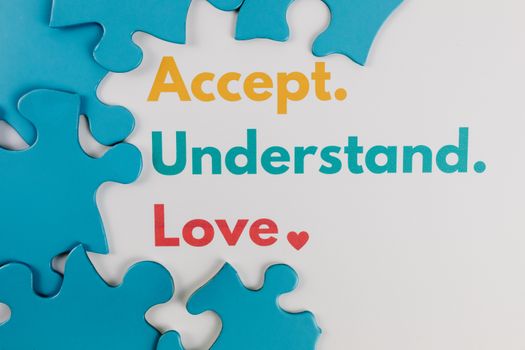
That simplicity is the point. A slogan printed in bold lettering and surrounded by vibrant, cheerful colors and child-friendly imagery reads as celebration rather than protest. It says the child wearing it is not a cautionary tale or an inspiration. They are a kid in a cool shirt, and the shirt happens to state a fact about human worth.
For families, the phrase also carries a quieter function. It reinforces identity from the inside. A child who grows up seeing those words on their own clothing hears the message in their own house, in their own size, from the people who love them most.
Why the Phrase Moved From Posters to Kids' Wardrobes
Apparel travels where advocacy materials cannot. A pamphlet stays in a bag. A t-shirt goes to the playground, the library, the checkout line, and the family reunion. Every one of those stops is a small, low-pressure moment where someone can ask a question or simply read the words and move on with a new idea in their head.
Brands in the neurodiversity space describe the message in similar terms: inclusion, pride, and strength, written for anyone who believes in celebrating neurodiversity, including autism parents and carers. One product listing frames the design as three words for parents, therapists, and advocates who say them often. That overlap between the home, the clinic, and the classroom is a big part of why the design weathered so well. It fits all three audiences without changing a letter.
There is also a practical reason it took hold in children's fashion specifically. Kids outgrow shirts quickly and need new ones constantly. That creates a natural, recurring opportunity to put a message into rotation, and it means the design renews itself with every growth spurt rather than fading after a single awareness month.
What to Look For in a Different Not Less Kids Shirt
The garment itself matters as much as the words. A child who is uncomfortable will not keep the shirt on long enough for it to start any conversations. Across the designs and collections reviewed for this article, a few consistent features show up again and again.
| Feature | What the research shows |
|---|---|
| Fit | Classic or relaxed unisex fits, with listings noting the tee runs true to size |
| Fabric | Soft, breathable cotton; some listings use 100% combed and ring-spun cotton or soft jersey cotton |
| Construction | Side-seamed kids unisex tees made for everyday wear |
| Options | Relaxed, oversized, or classic fits, v-neck or crew necklines, and short, baseball, or long sleeves |
| Design | Bold "Different not less" lettering with vibrant colors and child-friendly imagery |
| Price points observed | Youth tees listed at $23.00 and $25.00, with another listing at $27.00 |
| Beyond tees | The design also appears on sweatshirts, stickers, and other merchandise |
Prices across the market sit in a narrow band, which tells you something useful. Families are not choosing between a cheap shirt and a luxury one. They are choosing between designs, fabrics, and shops that feel like they understand the child who will wear it.
Sensory Comfort Is Not a Small Detail
For many autistic children, clothing is a sensory experience before it is a fashion choice. Scratchy seams, stiff collars, and scratchy tags can end a morning. That is why soft cotton and forgiving fits dominate this category, and why side-seamed construction and ring-spun cotton show up so often in product descriptions.
Parents shopping for a neurodivergent child should look for a few things beyond the print. A relaxed unisex cut leaves room to move. A short sleeve option works for kids who cannot tolerate fabric on their forearms, while long sleeve versions suit kids who prefer coverage. Tear-away tags and soft fabric help on the days when the shirt has to be comfortable enough to forget about.
It helps to check each listing's size chart rather than assuming a size carries over from another brand. Some listings state that the fit runs true to size, which makes comparing measurements against a shirt that already works a reliable shortcut.
Design Choices That Get the Shirt Worn
A message shirt only works if the child is willing to put it on. That is why the successful designs in this space lean bright and cheerful rather than solemn. Bold lettering makes the phrase readable from across a room, and the surrounding colors and imagery give younger kids something to point at and name.
Product descriptions for these tees often talk about celebrating creativity, imagination, kindness, and the unique strengths every child brings to the world. That framing matters to the child wearing it. It positions the shirt as something to be proud of rather than a statement about a diagnosis.
Parents often report that the shirt becomes a favorite, worn on repeat, and that is the best outcome a piece of advocacy clothing can hope for. The message rides along with ordinary childhood instead of being saved for a special occasion.
A Message That Reaches Beyond Autism
The phrase is most associated with autism acceptance, but it travels well. Disability-focused versions of the design exist under the same three words, which makes sense because the idea is broader than any single diagnosis. Anyone who has felt measured against a standard they were never built to meet can read something personal into it.
That breadth is part of how the movement grew. A parent buys the shirt for an autistic child. A grandparent buys a matching one. A therapist wears it to work. A teacher wears it during an inclusion lesson. The same three words circulate through homes, clinics, classrooms, and family gatherings, and each setting adds a little more weight to the phrase.
How Small Shops Keep the Movement Going
Much of the growth in this category comes from small print-on-demand shops rather than large apparel brands. Print on demand means shirts are printed when an order comes in, so a shop can carry dozens of designs without overproducing inventory or throwing away unsold stock. For niche messages, that model is what makes the whole thing possible. No one has to guess how many autism acceptance toddler tees a warehouse should hold.
Competition among these shops shows up in shipping and bundle offers. One shop in the research advertises free shipping to all U.S. domestic addresses, while another offers free shipping on orders over $75 along with discounts that increase with order size. For families buying for siblings or matching with relatives, those details can matter as much as the design.
PM Creations 25 sits inside that same small-shop world. The brand started with a nonverbal grandson named Jaxon, and the designs, including our Different Not Less styles, grew out of watching him navigate a world that measures children by the wrong yardstick. Each shirt is meant to be a conversation starter and a story of inclusion, printed on soft toddler and youth tees.
Buying a Shirt Is a Small Act That Adds Up
No single t-shirt shifts how a school district, an insurance company, or a stranger at the park thinks about disability. What a shirt does is smaller and steadier. It makes a phrase visible in ordinary places, it hands a child language for their own identity, and it gives the adults around them one more chance to rethink an assumption.
Multiply that by a few hundred thousand families over a few years, and you get something that looks a lot like a movement in children's fashion. Not a trend that peaked and disappeared, but a permanent addition to the choices parents make when they buy clothes for their kids.
When you are comparing options, read the fabric and fit details as carefully as you read the print. A comfortable shirt gets worn, and a worn shirt gets seen. Check the size chart before ordering, confirm the shop's shipping terms, and if you are buying for a child with sensory sensitivities, look for soft cotton, roomy unisex cuts, and tag-free or tear-away finishes. The words matter, and so does the shirt carrying them.
Frequently Asked Questions
Families tend to ask the same handful of questions before buying their first message shirt. Here are short answers to the ones that come up most often.
What does "Different Not Less" mean?
It is a disability acceptance message: people with disability are different, not less. On a child's shirt, it states that a diagnosis, a communication difference, or a developmental delay does not reduce a person's worth. The phrase is most often associated with autism acceptance and neurodiversity, and it also appears in broader disability apparel.
What sizes should I order for a child?
Sizing varies by shop and design. Several listings describe a classic or relaxed unisex fit that runs true to size, while others offer relaxed, oversized, or classic cuts. Measure a shirt your child already wears and compare those numbers to the shop's size chart rather than assuming a size carries over from another brand.
Are these shirts comfortable for sensory-sensitive kids?
Many are. Soft cotton, side-seamed construction, and relaxed unisex fits show up repeatedly in this category, which helps with comfort during long days. Look specifically for combed and ring-spun or soft jersey cotton, short sleeve options, and tag-free or tear-away tags. Every child is different, so it helps to test a single shirt before buying several.
Where can families buy a Different Not Less kids shirt?
The design appears across small print-on-demand shops, marketplace listings, and independent neurodiversity brands. Youth tees in the collections reviewed here were listed between $23.00 and $25.00, with another listing at $27.00. Shipping terms vary, and some shops offer free U.S. domestic shipping or bundle discounts on larger orders. Verify current price and policy on the listing before you buy.