
Choosing Autism Awareness Clothing for Kids: Comfort, Acceptance, and Style

Finding the right autism awareness clothing for kids can feel like a search for something that balances meaning, comfort, and a style your child will actually want to wear. Many parents and grandparents look for shirts that spark conversations about neurodiversity while also being gentle on sensitive skin. The market has grown significantly, with dozens of shops offering autism-themed apparel online, but not all options are created equal. Some prioritize bold graphics that scream for attention, while others focus on soft fabrics and designs that celebrate the child wearing them. Understanding the difference between awareness and acceptance, and knowing what features truly support autistic children, can help you make a thoughtful choice.
What Is Autism Awareness Clothing?
Autism awareness clothing typically features symbols like puzzle pieces, bright colors, or phrases such as "Autism Awareness" or "Different Not Less." The goal has traditionally been to make autism visible to the wider public. However, the conversation has evolved. As one autistic-led blog explains, autism awareness apparel focuses on making autism visible, while autism acceptance apparel centres respect, dignity, and lived experience. Acceptance-focused designs often use positive language, avoid stereotypes, and reflect the preferences of the autistic community. For kids, this shift means clothing that tells a story of inclusion without reducing them to a diagnosis.
Why Quality and Comfort Matter for Autistic Children
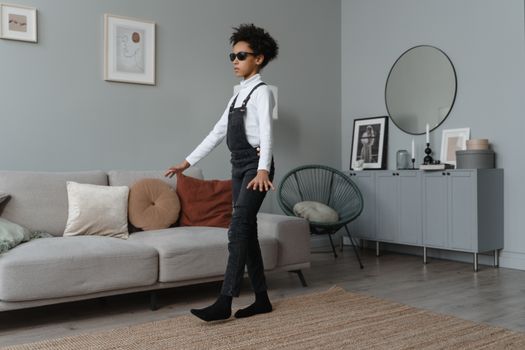
Many autism awareness shirts are designed to be seen, not worn. Loud graphics, childish symbols, and uncomfortable fabrics can leave autistic children feeling overlooked or irritated. Sensory sensitivities are common, so fabric feel, tag placement, and overall fit matter a lot. The best autism awareness clothing for kids uses soft materials, such as cotton blends, and features like tear-away tags that reduce itching. Designs should be meaningful but not overwhelming. When a shirt feels good against the skin, a child is more likely to wear it with pride. That comfort also helps the message of the shirt land naturally, turning it into a gentle conversation starter rather than a source of distress.
Popular Brands Offering Autism Awareness Apparel for Kids
Several brands have risen to prominence by offering quality autism awareness and acceptance clothing for children. Daily Bloom provides autism acceptance apparel and resources for neurodivergent families, with a focus on designs that respect lived experience. Be Kind to Everyone offers shirts, socks, and gear that spread messages of kindness and inclusion, and they have youth sizes. Peace Love Autism carries youth tees, longsleeves, sweatshirts, and hoodies, along with accessories like hats, banners, and stickers. Awkward Styles makes youth and toddler tees with phrases like "Autism Is My Super Power." Cover The Spectrum is a family-owned company that puts autism support and awareness at the heart of everything they do; through purchases, they have donated over $244,866 to related causes. Other notable names include Kind Cotton and Peachie Speechie, both mentioned in roundups of top autism clothing brands. Many of these shops are either owned by autistic people or dedicated to employing individuals with autism, which adds another layer of authenticity to their products.
The Shift From Awareness to Acceptance
The terms "awareness" and "acceptance" are often used interchangeably, but they carry different meanings. Awareness is about making autism known; acceptance is about respecting autistic people as they are. For children, acceptance-oriented clothing can be more empowering. Instead of a puzzle piece that implies a missing piece, a shirt might say "Same World Different Lens" or "Different Not Less," celebrating neurodiversity. This shift also influences design: acceptance apparel tends to avoid infantile fonts or symbols and opts for artwork that feels age-appropriate. When a child wears a shirt that respects their identity, it sends a signal to classmates, teachers, and family members that autism is not something to solve but something to understand.
Tips for Choosing the Right Autism Awareness Clothing
- Prioritize fabric and feel. Look for soft, breathable materials like ring-spun cotton or bamboo blends. Avoid rough seams or stiff prints that can cause discomfort.
- Check for removable tags. Tear-away or printed labels help prevent itching and distraction, especially for children with tactile sensitivities.
- Consider the message. Choose phrases that emphasize strengths, inclusion, and respect. Avoid slogans that frame autism as a burden or something to overcome.
- Involve your child. Let them pick a design they like. When a child has a say in their clothing, they are more likely to wear it and feel confident.
- Look for brand values. Some companies donate a portion of proceeds to autism organizations or employ autistic individuals. Supporting these brands reinforces the message of your purchase.
- Think about layering and seasons. Lightweight tees work for warmer months, while hoodies and sweatshirts are great for cooler weather. Many brands offer both youth and toddler sizes.
By keeping these points in mind, you can find clothing that not only raises awareness but also genuinely supports the child wearing it.
Frequently Asked Questions
What materials are best for sensory-sensitive kids?
Soft, natural fabrics like 100% ring-spun cotton or bamboo blends are widely recommended. Avoid stiff polyester blends or heavy screen prints that can feel scratchy. Many brands now offer tagless or tear-away labels to reduce irritation.
Are there clothing brands run by autistic people?
Yes. Several apparel brands are owned by autistic individuals or committed to employing them. Daily Bloom, Peace Love Autism, and Cover The Spectrum are examples that center autistic voices. Checking the "About" page of a shop can often reveal their mission and values.
Do these shirts work as conversation starters?
Yes, that is often the goal. A shirt with a clear, positive message like "Different Not Less" or "Same World Different Lens" can invite gentle questions from others. It gives parents and kids a natural way to talk about neurodiversity in everyday settings like school or the playground.
What is the difference between awareness and acceptance clothing?
Awareness clothing focuses on making autism visible to the public, often using puzzle pieces or bright colors. Acceptance clothing centers respect, dignity, and lived experience, using language that celebrates neurodiversity rather than framing it as a puzzle to solve. The latter is increasingly preferred by the autistic community.
How can I ensure the clothing fits well for a child with sensory needs?
Look for relaxed fits that don't pinch at the neck or wrists. Many brands offer size charts with measurements rather than just age labels. Choosing a slightly larger size can reduce pressure on the body. Also, wash the shirt before wearing to soften the fabric further.
Finding the right autism awareness clothing for kids means looking beyond the surface. It is about selecting pieces that feel good, carry respectful messages, and reflect the child's personality. Whether you choose a shirt that emphasizes acceptance, a hoodie from a family-owned company, or a simple tee with a positive saying, each purchase can be a small step toward a more inclusive world.